



Japanese director Kasumi Hiraoka is one of the distinctive voices in contemporary filmmaking, as her projects and films uniquely blend music, sensory experience, visual expression, and performance. In the interview, she speaks about how strongly the Czech Republic inspires her work, how deeply she feels connected to it, the significant influence of the film Daisies, her experiences at international film festivals, as well as her recent visit to the country and what new project we can look forward to.
Good day, Kasumi-san, would it be possible to introduce yourself to our Czech and Slovak readers?
When I was 14 years old, I experienced epileptic seizures caused by a brain tumor. During those episodes, I could see things that others could not — magicians, fairies, little people, and rainbow-colored
spheres. That experience inspired me to begin writing scripts in order to share this invisible world with others.
When I entered the Faculty of Literature at university, I started making films on 8mm. My short film “Red-light District Graffiti” was invited to more than 40 film festivals in 18 countries, including the Rotterdam International Film Festival, attracting attention not only for the film itself but also for my personal fashion style.
I create films that expand not only vision and hearing, but the five senses — and even the sixth sense —so that the audience can physically feel the experience. When viewers leave the cinema, I hope they feel as if their very cells have been transformed. I continue to make films that function almost like power spots, places where people can receive a new kind of energy.
In my feature film “THE PRIMITCHIBU WORLD,” various musicians joined as guests, and the project evolved into a spectacular show performed in cinemas and museums across Japan, combining film, live music, dancers, VJ visuals, and lasers. I also participated personally in the live performances and the recording of the film’s music as a drummer and pianist.
My latest work “ECHO BLOOM” is currently touring fashion film festivals around the world.
My visual style in the field of vertical cinema has also been highly recognized. My vertical film “Little Light” won an award at the Vertical Movie Festival in Italy, the world’s first vertical film festival.
In addition, the interview program “Direct Talk – Visual Storytelling That Stirs the Soul”, which was broadcast in 180 countries on NHK WORLD, began domestic streaming in Japan on February 25, 2026.
When did you first travel to the Czech Republic? We heard that a jury member at a Czech film festival called you “the Japanese Věra Chytilová”. Can you describe the story behind this moment in more detail? Do you agree with this statement and if so, why?
The first time I visited the Czech Republic was in 2008. During that trip, I received words from a juror of the Karlovy Vary International Film Festival that I still treasure today. He told me: “The dynamic montage of Red-light District Graffiti, the world where the pure inner life of the girls bursts open, and the sacred beauty within it remind me of Daisies.”
Věra Chytilová’s film “Daisies” was a shocking discovery for me when I was young. It felt like a divine work that told me, “Cinema is free.” For me, montage is not simply the connection between cuts. It is the leap of energy that occurs when different elements collide.
To have that spirit — something very close to my creative origin — recognized in the homeland of Chytilová was an incredible honor. I also believe that costumes and colors function as symbols that visualize the energy of the characters, which is something I feel close to in Chytilová’s work as well.
We were pleasantly surprised to find out that Věra Chytilová’s film “Daisies” is popular in Japan when we saw it screened at a boutique shop during our travels across Japan back in 2013. When did this movie gain popularity in Japan? Why do you think it resonates with a Japanese audience? Is it still popular nowadays?
In Japan, Daisies was re-released in the 1990s and screened mainly in mini-theaters in Shibuya. At the time, a new sensibility called “girly culture” and “Shibuya-kei” was emerging among young people who loved fashion and art, and the film became something of a social phenomenon.
I was one of those young viewers, and I was deeply moved by its free leap beyond rules. The film also became a fashion icon. Its colors and costumes were frequently featured in fashion magazines such as CUTiE and So-en, reaching audiences beyond traditional film fans.
Since then, the film has continued to be revived and released on DVD throughout the 2000s and 2010s. A 4K restored version will be released again this April.
You also visited Prague last August. What was your trip like? What inspired you the most?
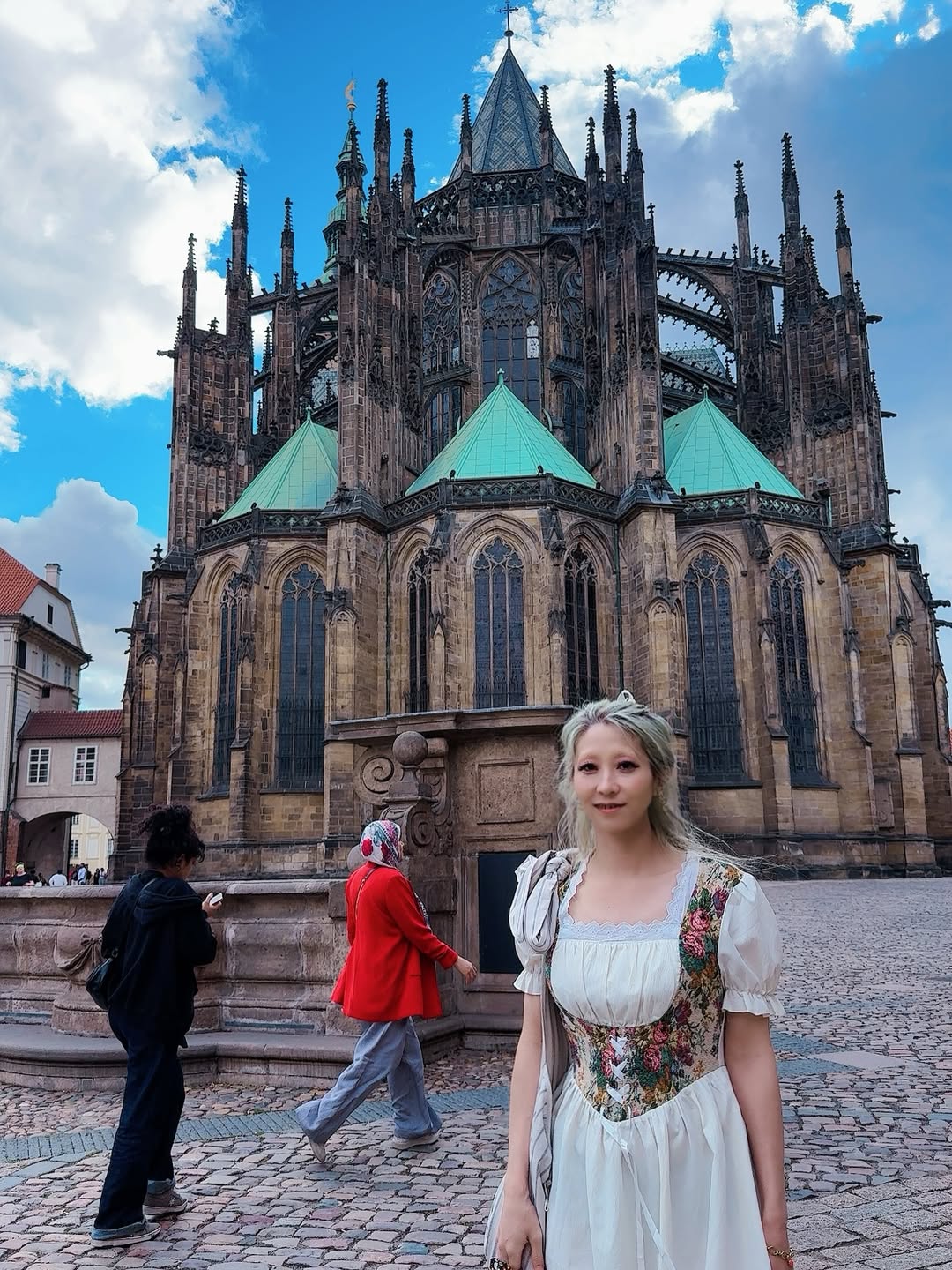
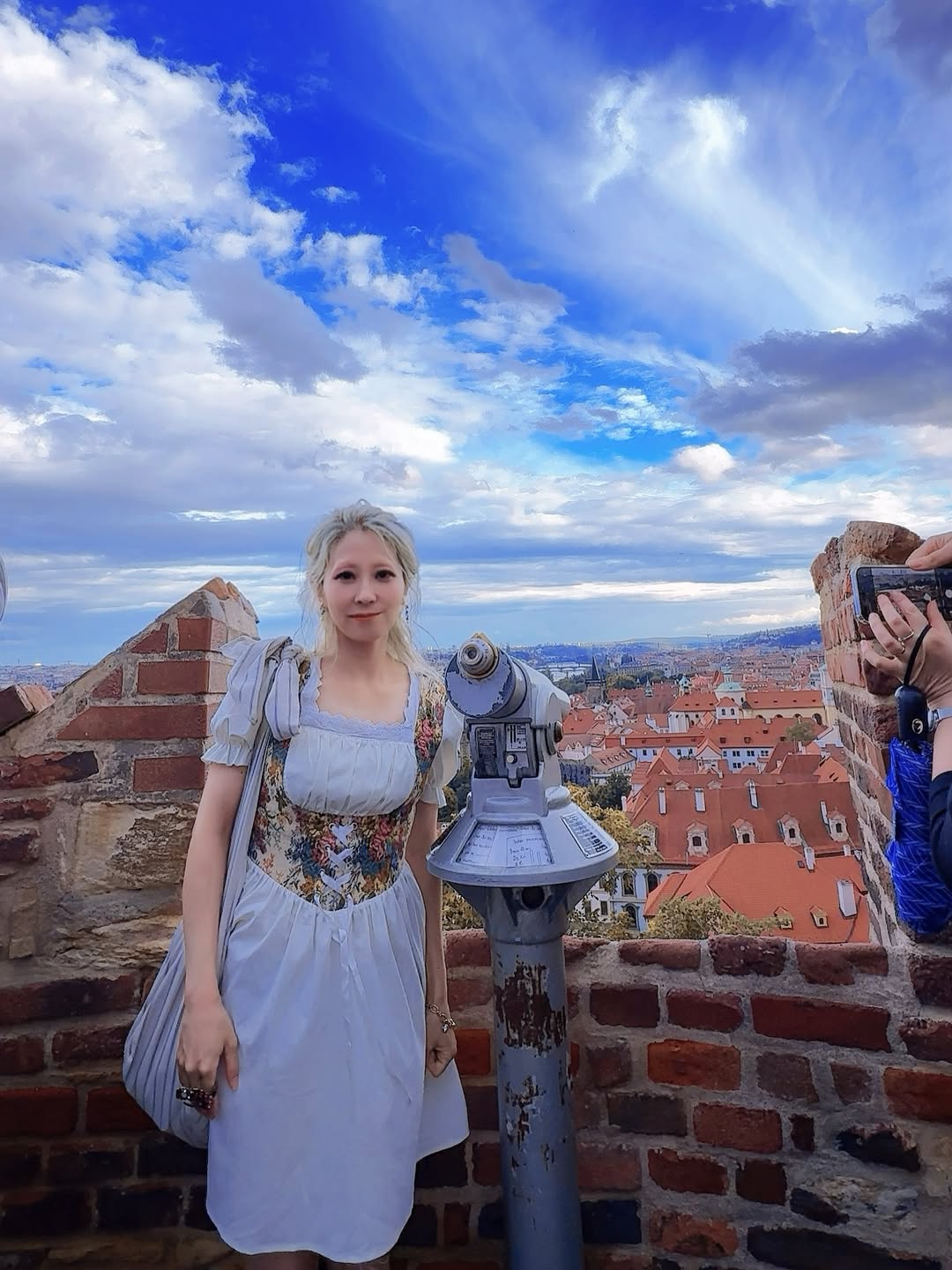
This was my first trip traveling with my two children — three of us together. My children were fascinated by the Czech cityscape, architecture, clothing, culture, picture books, and art. It became a deeply inspiring and memorable journey for them as well. I wrote a long reflection about the trip on Instagram, but both my children and I were especially moved by the National Film Museum.
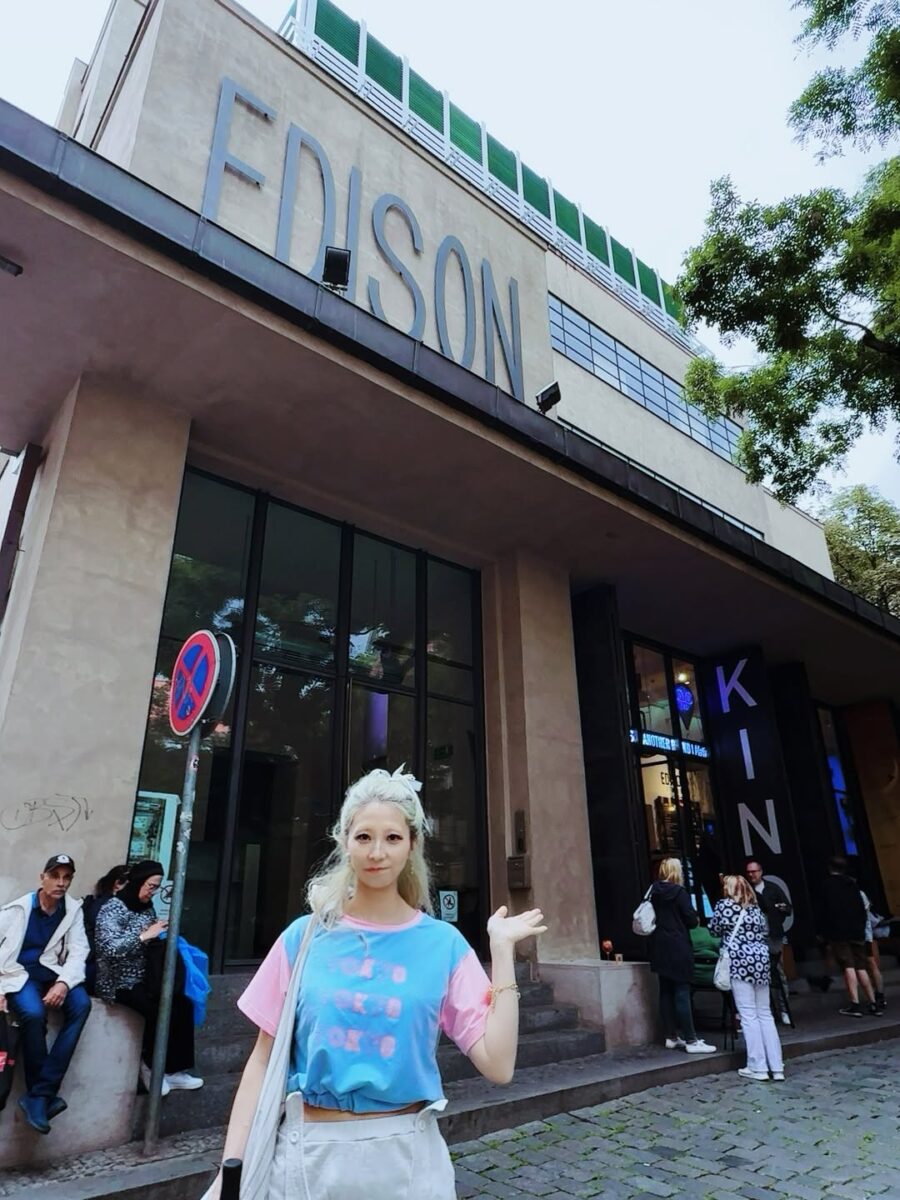
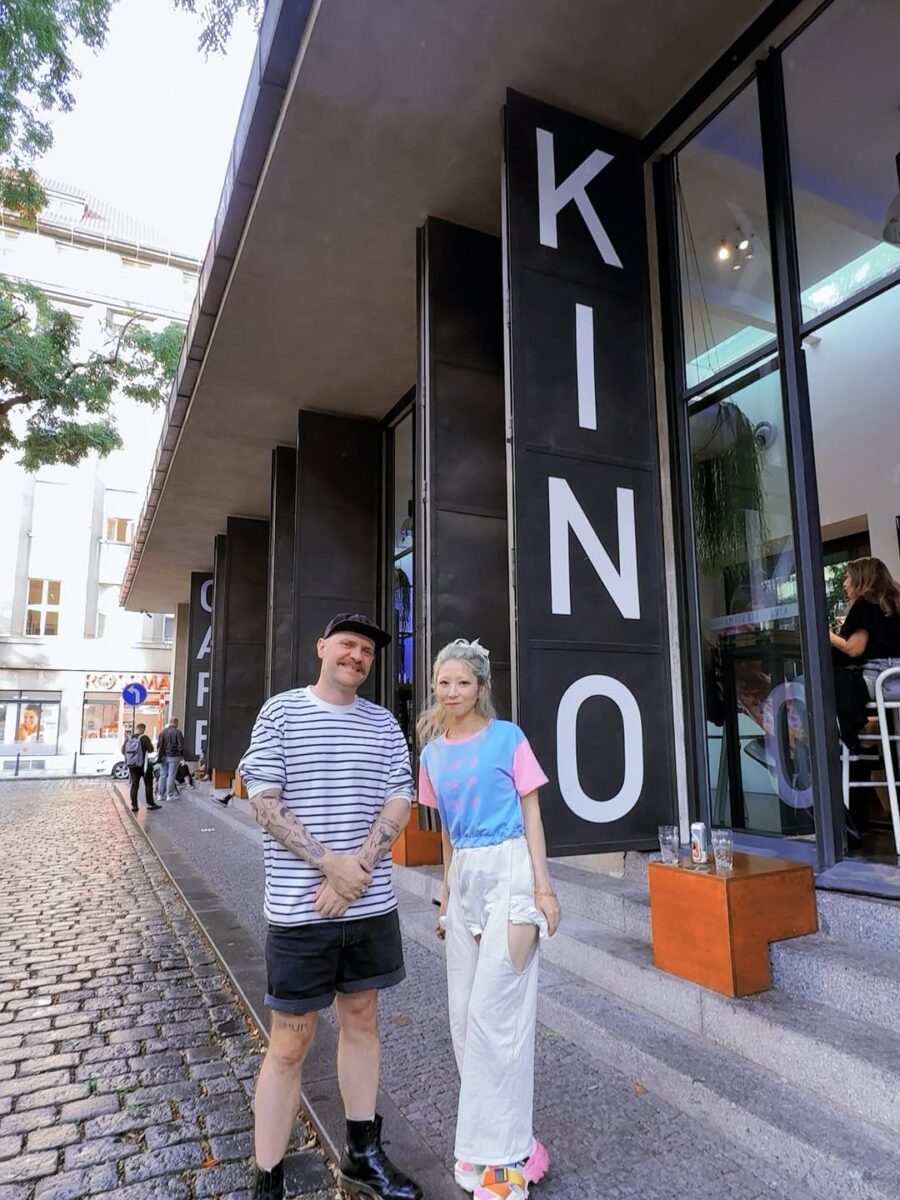
Back in November 2025, your short film were screened during Tanuki Nights, a weekend festival of Japanese movies that took place at the Edison Filmhub cinema. What was your experience of this festival
I felt very honored that my film was screened alongside major Japanese works. At the same time, I believe the Prague audience could experience the wide range and diversity of Japanese cinema.
Do you think Czech and Japanese people are similar in any ways? In contrast, what do you think the biggest difference between these two cultures is?
I think Czech and Japanese cultures share a respect for ancient myths and legends. However, the characters that appear in Czech folklore and stories are filled with figures and gods I had never seen before. The stories often take surprising turns, and perhaps the sense of what is “cute” or “cool,” or even the emotional expressions of happiness and sadness, differ from those of Japanese people.
I sometimes wonder if these differences also influenced the unique spirit of Czech animation and the Czech New Wave.
What are the advantages and struggles of being a female film-maker in Japan?
When I started making films in my twenties, there were almost no female directors in Japan. Sexual harassment and power harassment were common, and film journalists often treated me as a curiosity rather than focusing on my work.
However, when I began attending international film festivals, I was deeply moved by how audiences and journalists evaluated my films based on the work itself, without such biases. That experience made me want to pursue my career internationally.
As a creative person, what important habits and values do you live by?
When I need to make an important decision, I ask myself one question:
“Is it beautiful?”
Or sometimes:
“Is it cinematic?”
I have found that this instinct has rarely led me in the wrong direction.
What are some of your favourite Tokyo spots that our readers should definitely visit?
Music Bar Lion club and Mitsuki Tokyo has excellent sound. I also feel protected whenever I visit Meiji Shrine. And when I go to Koami Shrine, the flow of money in my life somehow improves.
Can you reveal what you’re currently working on? Any exciting creative plans for the future?
Currently, I am developing a music film that could only be created in Japan. I am also working on a project for vertical cinema designed to be screened on large theater screens.
Do you have anything else to add? Perhaps a message to our audience?
Since discovering Daisies, I have become increasingly fascinated by the Czech Republic, and it has grown into one of my favorite countries. I hope to continue organizing screenings that can act as a bridge between Czech and Japanese culture. Please come visit Japan someday as well.
Source: Author's text, answers from Kasumi Hiraoka